
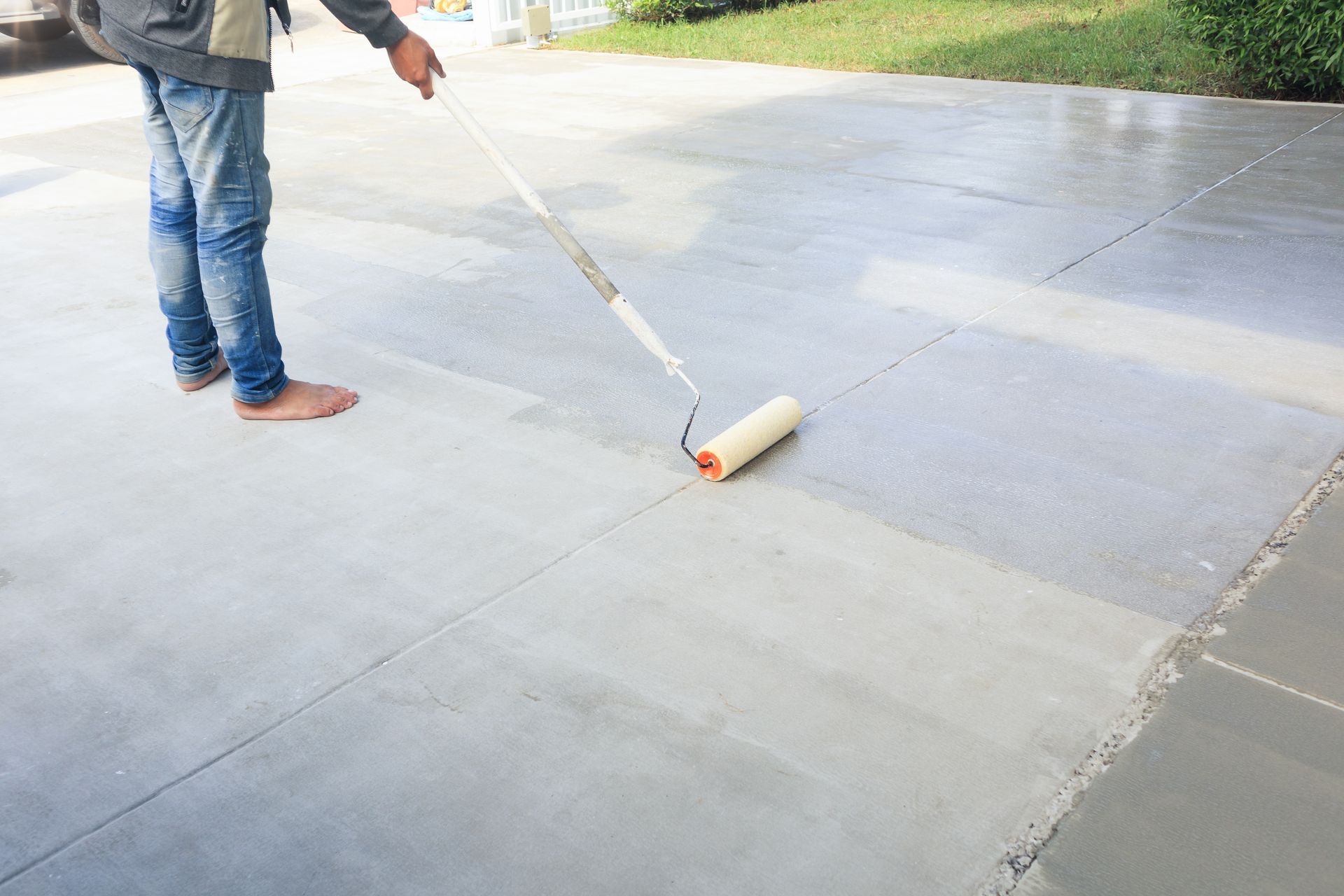
Substrate Fixes Before Coating Goes Down
Concrete Crack & Surface Repairs in Cedar Rapids for damaged, settled, or cracked slabs before coating application
Iowa's ground movement cycles and the older residential slab stock in Czech Village, Bever Park, and DeWitt produce cracks that must be properly repaired before any coating is applied. Hiding a crack under coating without repairing it causes the coating to re-crack above it, and crack repair material selection—rigid fill versus flexible joint filler—depends on whether the crack is still moving. Ramrock Coatings LLC performs crack and surface repairs as part of the full prep-to-finish system, and repairs are not patched over and coated immediately; the substrate is verified before the coating goes down.
Pre-coat inspection assesses the slab for active versus static cracks, surface contamination, and prior repair failures before recommending a repair approach. The in-house crew handles the full scope from crack repair through final topcoat with no handoff to a separate subcontractor for surface prep. Getting the repair material wrong is a primary cause of coating failure above the repair zone, so the crew evaluates whether cracks are moving or stable before filling them.
Schedule a slab evaluation to identify crack movement and surface damage before repair work is scheduled.
What Changes After Crack Repair Completes
Repairing cracks correctly stops them from telegraphing through the coating, and the repair material is selected based on whether the crack is static or still moving due to slab settlement. Rigid fill is used for stable cracks, while flexible joint filler accommodates movement without breaking the bond. Surface damage from spalling, pitting, or prior failed repairs is ground out and filled to restore a flat, uniform substrate before the coating system is applied.
After repairs cure, the slab surface is level, and cracks no longer widen or shed concrete dust. The repaired zones are ground flush with the surrounding concrete during the full white-out diamond grinding process, so no raised edges or seams appear under the coating. The finished floor shows no crack lines or surface irregularities, and the coating remains intact over the repair zones under foot traffic and storage weight.
The repair process is integrated into the prep-to-finish workflow, not treated as a separate patch job. Slabs with multiple cracks or prior repair attempts require additional assessment to determine whether the damage is static or caused by ongoing settlement. Ramrock Coatings LLC does more prep work than most, and crack repair is part of the standard scope—not an upsell.
Answers to Frequent Service Questions
Concrete crack and surface repair in Cedar Rapids requires assessing whether damage is active or static, and property owners often ask about the repair process and what determines whether a coating will hold over repaired zones.
What is the difference between rigid fill and flexible joint filler?
Rigid fill is used for static cracks that no longer move, while flexible joint filler accommodates ongoing movement from slab settlement—using the wrong material causes the repair to re-crack under the coating.
How does the crew determine if a crack is still moving?
Pre-coat inspection evaluates crack width, slab settlement, and prior repair failures to assess whether the crack is active or stable, guiding material selection before any repair work begins.
What happens to surface damage like spalling or pitting?
Damaged zones are ground out and filled to restore a flat, uniform substrate, then ground flush with the surrounding concrete during the full white-out diamond grinding process so no raised edges remain.
Why does Ramrock handle crack repair in-house instead of using a subcontractor?
The same crew that performs the repair completes the grinding and coating, so substrate condition is verified at every stage and no handoff occurs between repair and finish work.
When should crack repair be done before coating?
Repairs are completed as part of the prep process, and the repaired zones are allowed to cure before the full white-out grind and coating application begin—rushed timelines compromise bond strength.
Ramrock Coatings LLC fixes the slab correctly before the coating goes on—not the crew that coats over problems and calls it done. Request a property evaluation to identify crack movement and surface damage before coating work is planned.